Supporting Research
Scientific Research & Studies
Emerging research in neuroplasticity, along with a growing body of new studies, supports the principles underlying the Anat Baniel Method® NeuroMovement®. This scientific foundation helps explain the remarkable outcomes many clients experience through this approach.
More and more brain scientists, physicians, nurses, therapists, educators, parents, and other professionals are turning to Anat Baniel to learn and apply the brain plasticity strategies and principles of NeuroMovement®.
Featured Research
A recent article co-authored by Anat Baniel and colleagues explores a shift from “Fixing to Connecting”-based approaches in developmental conditions such as autism. Guided movement fosters mutual empathy and activates the brain’s natural capacity for change, illustrating NeuroMovement®’s foundation in neuroplasticity (Baniel et al., 2025).
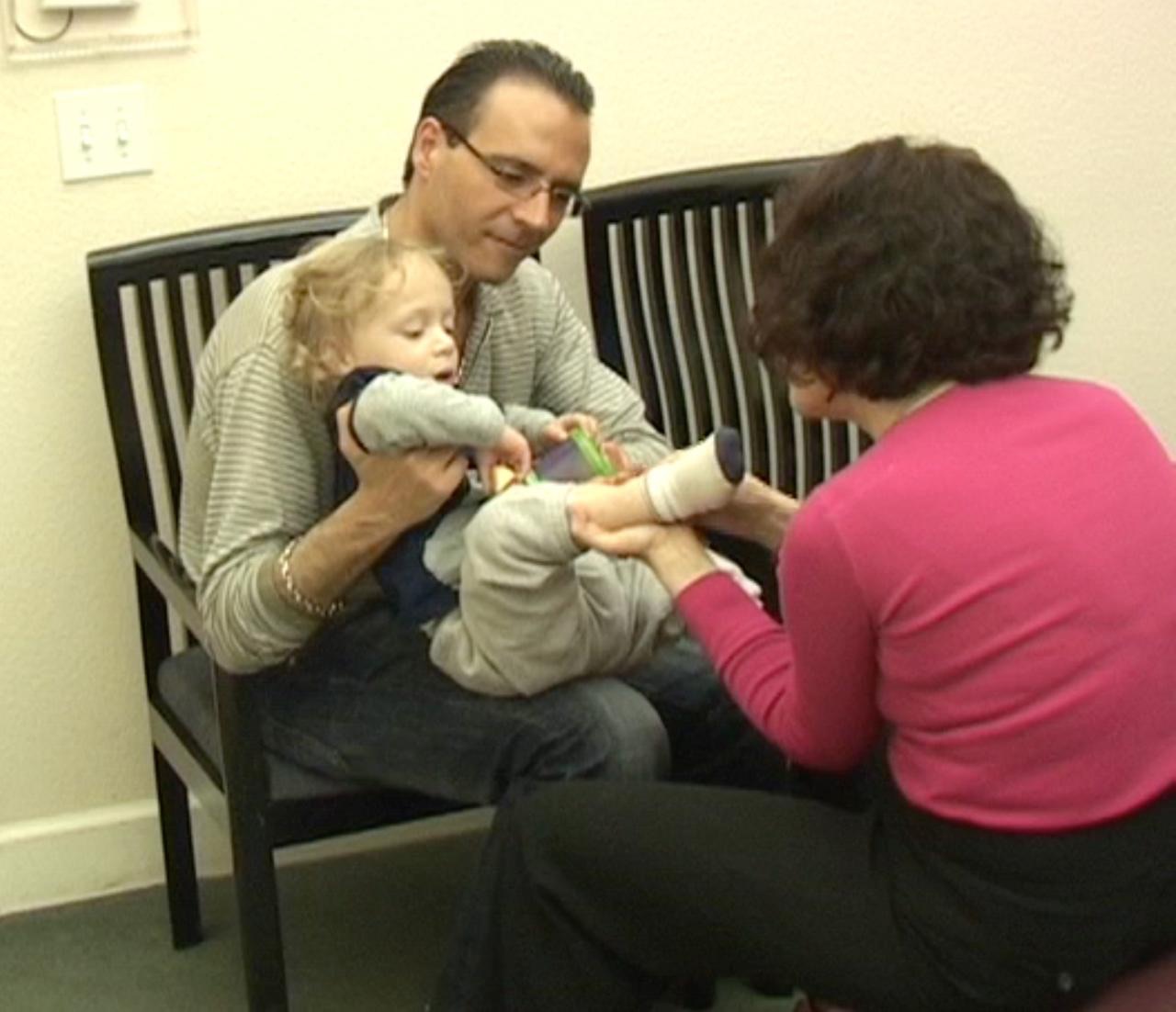
From fixing to connecting—developing mutual empathy guided through movement as a novel path for the discovery of better outcomes in autism
By Anat Baniel, Eilat Almagor, Neil Sharp, Ohad Kolumbus, Martha R. Herbert
Front. Integr. Neurosci., 02 April 2025. Volume 18 - 2024 |
Full ArticleMovement-Based Plasticity: Evidence
Research demonstrates that movement can engage neuroplastic mechanisms, enhancing motor control, coordination, balance, and overall functional capacity (PMC, 2020). Research has shown that awareness, gentle movement, and novel patterns of motion—as in NeuroMovement®—reshape neural connections and support learning at any age.
References & Links
- Merzenich, M. (2013). The neuroplastic brain: current breakthroughs and emerging frontiers. ScienceDirect
- Doidge, N. (2007). The Brain That Changes Itself: Stories of Personal Triumph from the Frontiers of Brain Science. Wikipedia Summary
- PMC. (2020). Neuroplasticity of Brain Networks Through Exercise and Movement-Based Therapies. PubMed Central
- Baniel, A., Almagor, E., Sharp, N., Kolumbus, O., & Herbert, M. (2025). From fixing to connecting—developing mutual empathy guided through movement as a novel path for the discovery of better outcomes in autism. PubMed
- Anat Baniel Method® Supporting Research. Official ABM® NeuroMovement® Research Page
Further Reading
- Doidge, N. (2007). The Brain That Changes Itself. Viking Penguin.
- Explores real-world examples of brain rewiring, rehabilitation, and movement-based therapies.
- Doidge, N. (2015). The Brain’s Way of Healing. Viking.
- Focuses on healing and functional recovery through neuroplastic principles.
- Merzenich, M. M. (2013). Soft-Wired: How the New Science of Brain Plasticity Can Change Your Life. Parnassus Publishing.
- Presents the rules of neuroplasticity and practical applications for cognitive and motor improvement.
- Feldenkrais, M. (Various Publications). The Feldenkrais Method and Movement Learning.
- Shows how subtle awareness and movement can reorganize neural pathways, complementary to ABM® principles.
- Research Reviews on Neuroplasticity and Movement Therapy:
- Neuroplasticity of Brain Networks Through Exercise (PMC, 2020)
- Evidence for Neuroplasticity in the Human Brain (Wiley Online Library)
Professional Endorsements
Hear from world renowned neuroscientists: Dr. Michael Merzenich, Dr. Jill Bolte Taylor, and Dr. Martha Herbert sharing why they endorse ABM®NeuroMovement®.
Michael Merzenich, PhD
~ Neuroscientist, Professor Emeritus UCSF, Winner of the Kavli Prize in Neuroscience, and Author of Soft-Wired: How The New Science Of Brain Plasticity Can Change Your Life
“From several decades of research, summarized in many thousands of published reports, we scientists have defined the ‘rules’ governing brain plasticity in neurological terms. We now know how to drive brains to change for the better. It has been a great wonder to me, then, that my friend Anat Baniel, working in parallel along a completely different path, has defined almost exactly the same rules.”
– Norman Doidge, MD
~ Author of The Brain That Changes Itself and The Brain’s Way of Healing; Faculty, University of Toronto Department of Psychiatry; Research Faculty, Columbia University Department of Psychiatry, Center for Psychoanalytic Training and Research
“The approach here, far wiser, far more subtle, truly holistic, far more ingenious, far more in accord with how brain development occurs, shows ways to access the child’s own brain plasticity and yields far greater results, so that the children can spontaneously grow from within.”
Newsletter
Subscribe to receive the lateset freebies, news, and early bird product offers.
ABM®NeuroMovement® is not a medical modality and is not intended to be a substitute for professional medical advice, diagnosis, or treatment provided by your physician or other medical professionals. Always seek the advice of your physician, or other qualified healthcare providers, with any questions you may have regarding a medical condition, treatment, or if you seek to discontinue current treatment/s. As each adult and child is unique, results and outcomes are not guaranteed and may vary.
